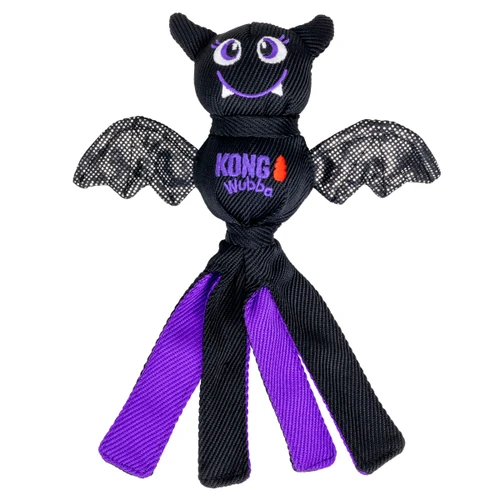
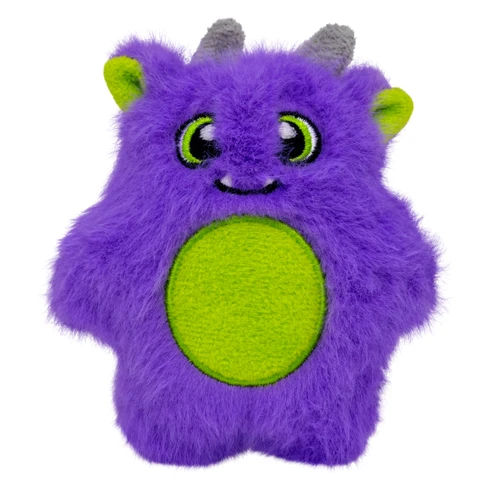
Halloween Snuzzles Mini Monster Purple
$7.99
Posted by Kristen Green Seymour, ABST, American Animal Hospital Association copywriter on Jul 2nd 2026
Discover how personalized pet enrichment keeps dogs and cats mentally and physically healthy with expert tips for every age, personality, and environment.
Enrichment is a pretty “buzzy” word in the pet world, but what exactly does it mean for your pet?
The fact is, many of the things you do with your pet provide some form of enrichment. Every time you introduce Fluffy to a new toy, or take Spot on a stroll, or feed Luna using any sort of food puzzle, that’s enrichment.
The purpose of enrichment is to engage your pet’s natural instincts in a safe and acceptable way, providing them with the mental and physical stimulation they need to be happy and healthy. Cats and dogs require opportunities to engage in species-typical behaviors (like pouncing and stalking for cats or chewing and sniffing for dogs); a lack of enrichment can lead to pets feeling bored or stressed, which can cause them to find less desirable ways to meet those needs, such as shredding your armchair or chewing on those new shoes.
There’s absolutely nothing wrong with the simple enrichment examples above. Interactive play, walks, and food puzzles are fantastic! But, if you’re looking to level up your pet parenting (or if your pet is exhibiting behaviors that indicate a lack of enrichment), it’s time to customize your pet’s enrichment opportunities, says Tabitha Kucera, Board- Certified Veterinary Technician Specialist in behavior and founder of the animal behavior service, Chirrups and Chatter.
“Enrichment should be individualized. The options are endless, and you want to adapt to the individual based on the context,” Kucera says. “The enrichment should take the animal and the current environment into account, adjusting as needed based on changes in the pet or circumstances.."
Fortunately, there are a number of relatively simple ways to do just that.
First up, consider your individual pet. What do they like to do, and how can you bring more of that into their lives?
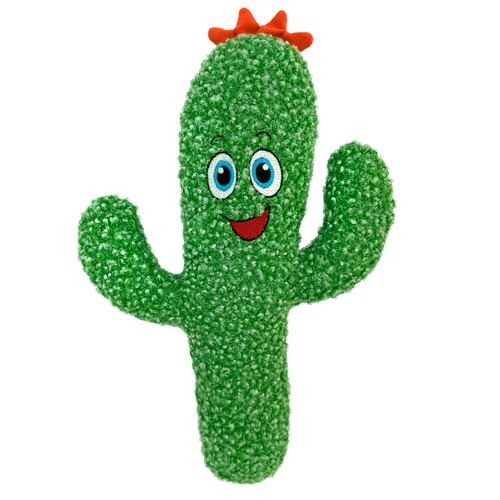
For example, a rambunctious kitten might enjoy leaping around after a teaser toy, while a chilled-out senior kitty may be happier cuddling up—and occasionally rabbit-kicking—a Kickeroo Cactus.
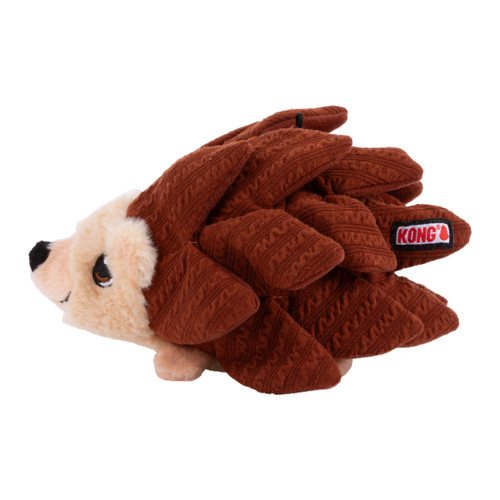
Similarly, while a soft, stuffed squeaky toy probably isn’t a great fit for a power- chewing Labrador, that same toy might be the perfect choice for a curious and gentle pup. It all comes down to knowing your pet and understanding what meets their needs, all while keeping safety top of mind.
Enrichment can be highly physical, which is where things like wand toys or fetching toys are great. But remember, enrichment is also about meeting your pet’s mental needs, so toys that make them think—such as treat-dispensing or foraging toys—can also play an important role in their well-being.
You’ll also want to think about the environment in which you’re providing this enrichment. Often, pet parents are looking for ways to add enrichment activities within the home, where their pet is comfortable. And that’s fantastic! Boredom- busting toys and activities are a wonderful way to engage a pet’s brain. Food puzzles, snuffle mats, and busy boxes are all great ways to encourage pets to have a little fun while they seek out their snacks, and that’s great exercise for their minds.
But, if you’re looking for ways to keep your pet engaged in other environments—especially places where their attention is likely to be pulled in other directions—you may need to change things up.
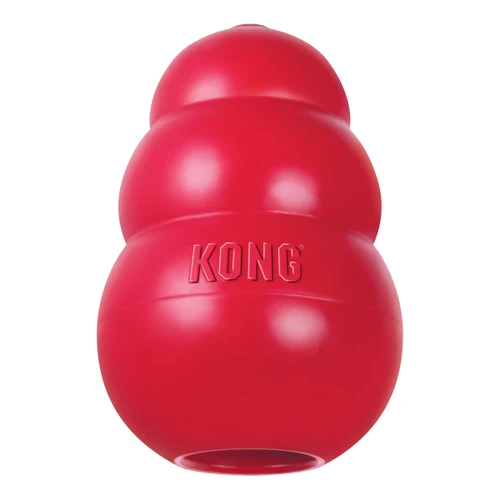
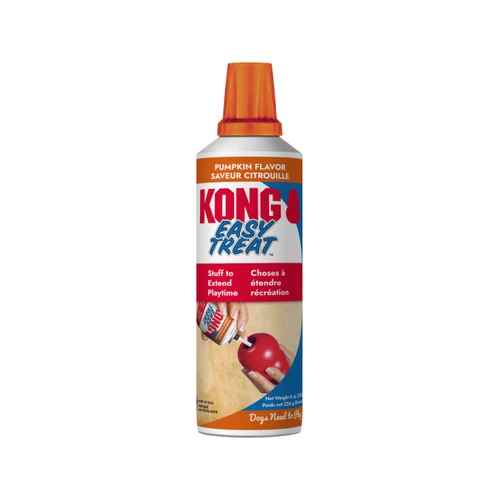
That food puzzle or snuffle mat your pup thoroughly enjoys at home may be too challenging in a distracting environment like the vet’s office. A better option might be a stuffed KONG, which is something Kucera uses frequently during vet visits. “KONGs are great because they already have that grip, and they’re long enough that the caregiver can hold them with their hands, away from the dog’s mouth,” she says.
This serves two important purposes. For one, it helps to keep the dog’s attention off whatever the care team needs to do. When Max is zeroed in on getting the peanut butter out of that toy, he’s far less likely to worry about the doctor examining his hind legs or giving him a shot. Plus, it pairs a positive experience (yummy treats in a toy) with one that’s sometimes stressful (vet visit) which can help reduce a pet’s current stress level and any future anxieties associated with going to the vet.
Cats can be more challenging to engage in anxiety-inducing environments, as they may refuse even their favorite tasty treats. However, Kucera notes that because licking itself is a form of self-soothing behavior, a treat they can lick, rather than chew, may be more enticing. Licking the treat out of a Kitty KONG may be more than an anxious cat is capable of, though, so don’t hesitate to simply spread some on the outside of the toy or any clean area that’s accessible to them.
Kucera also recommends identifying your pet’s very favorite treats. Consider two or three that might be particularly high-value to them—items they don’t get all the time, or things they get particularly excited about. Those are the types of treats you want to have on hand in situations like a vet visit.
Distracting environments aside, don’t forget to consider age, especially when it comes to our beloved sugar-faced felines and gray-muzzled mutts.
Jumping after teaser toys or chomping on Extreme rubber toys may have been their go-to in their younger years, but when pets become seniors, their needs and physical abilities may change. If they have stiff joints (and nearly all older pets do, even if it’s not obvious), toys that provide simpler, gentler ways to play may be preferred.
"When an individual animal needs enrichment, especially when it comes to adaptability, I'm also considering their mobility, I’m asking, ‘How's their cognitive function?’ And I adapt based on that,” Kucera says.
For example, maybe your dog loved sprinting across a field after a tennis ball as a youngster. As a senior, however, she might be better suited to a rousing game of “Mooseball,” where you toss a stuffed Cozie Marvin Moose for her to fetch indoors.
Both enrich her life by allowing her to tap into her instincts; the different versions of fetch are simply tailored to her specific needs at different stages of life.
The most important takeaway is that every pet is unique, and just because one dog or cat goes wild for a specific type of toy doesn’t mean another will. It’s up to us as caregivers to notice what our pets naturally engage in and explore ways to add opportunities for that type of engagement into their lives, adjusting as needed in different environments and at different stages of life. 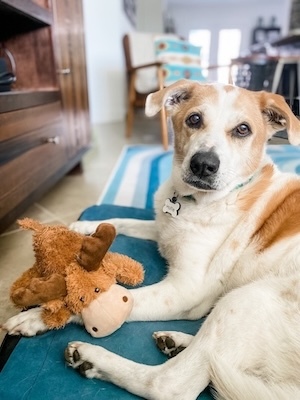
Kristen Green Seymour, a copywriter and editor for AAHA’s Trends magazine, holds a diploma in Animal Behavior Science Technology from the Companion Animal Sciences Institute. Her late dog, Hollie, was the inventor and world champion of Mooseball.
The toys every pup is begging for this Halloween. Spooky shapes, squeaky sounds, and enough fun to make Halloween their favorite holiday too!
Trick or Treat